

 Blog
BlogBuying an apartment in Istanbul requires more than choosing the right district or negotiating price. A foreign buyer should understand the title deed, building status, seller authority, payment route, management dues, earthquake-related records and the exact unit being sold.
Istanbul apartment files can be legally sensitive because old buildings, new projects, urban transformation areas, shared facilities and branded residences may all create different document questions. A careful review should happen before deposit, bank transfer or power of attorney.
Contents
1. Short Answer
Foreigners can buy apartments in Istanbul, subject to legal restrictions and Land Registry procedures. The buyer should check the title deed, seller authority, building status, payment route and contract terms before becoming financially committed.
The safest apartment purchase file is not built at the Land Registry appointment. It is prepared earlier, when the buyer still has the ability to pause, renegotiate or walk away.
2. Identify The Exact Unit
In Istanbul apartment purchases, the exact unit matters. The advertised flat, floor, view, parking space, storage area and gross-net measurements should be compared with the registered independent section and project documents.
The apartment shown to the buyer should match the legal unit. The floor, number, project block, independent section, gross and net area descriptions, parking or storage rights and common areas should be understood.
Marketing brochures and online listings do not replace title deed and project records. If the buyer is purchasing in a new project, delivery obligations and the legal status of the unit should be checked carefully.
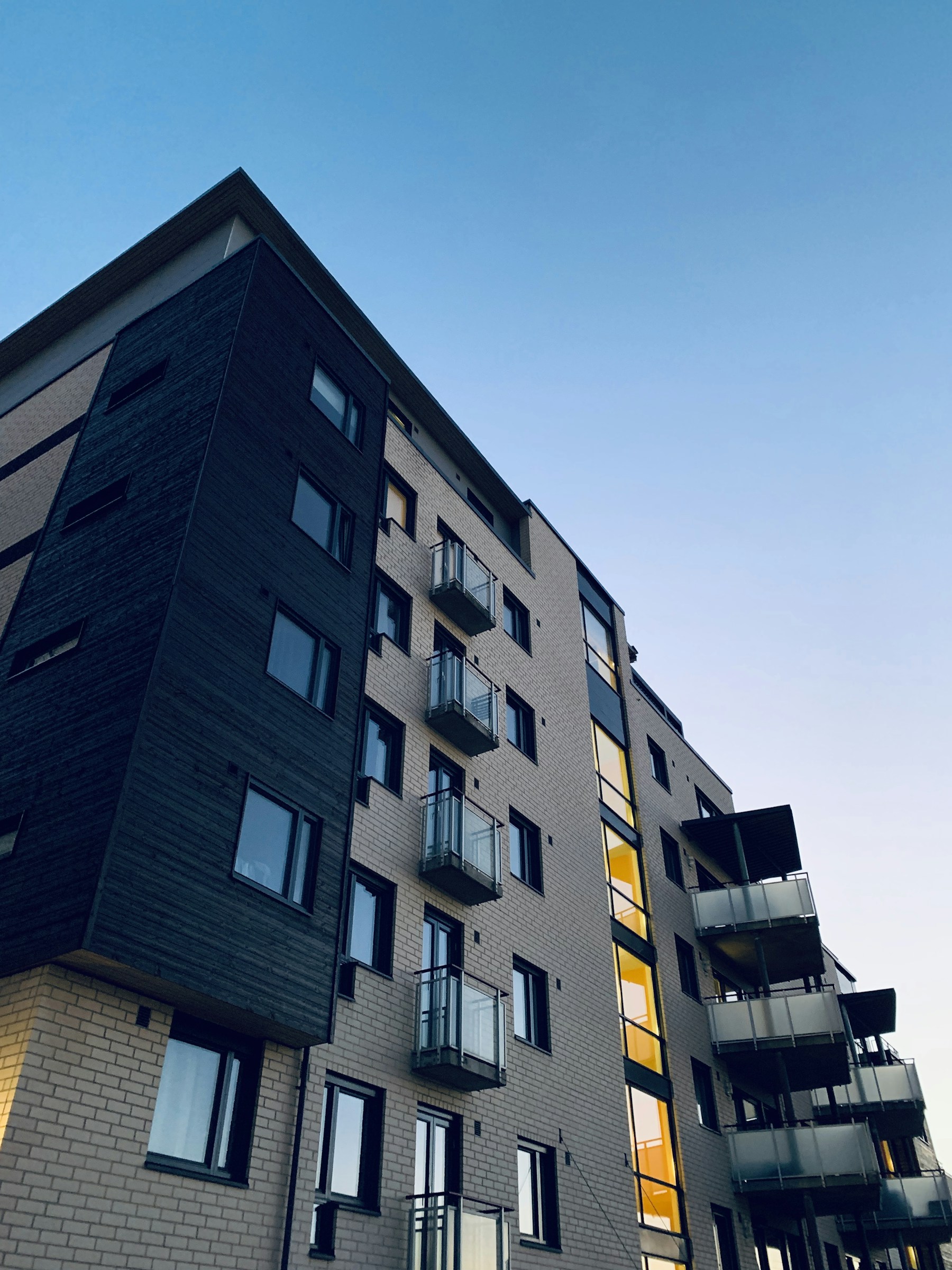
3. Title Deed And Restrictions
The title deed record should be reviewed for owner, independent section details, mortgages, liens, annotations, rights of use and restrictions. A restriction does not always stop a transaction, but the buyer should understand its effect before payment.
Foreign ownership restrictions, military zone checks or location-based sensitivities should also be considered where relevant. The buyer should not assume that every apartment advertised to foreigners can be transferred without issue.
4. Building Status And Occupancy
Building status can change the risk profile. Occupancy permit, condominium establishment, management plan, earthquake-related records, renovation history and common area disputes may affect both use and resale value.
For existing apartments, the building’s legal status, occupancy permit, condominium position, management plan and dues can matter. For older buildings, urban transformation, earthquake safety discussions and renovation obligations may affect the buyer’s real risk.
For off-plan or newly completed units, delivery date, completion status, construction permits, penalties and handover obligations should be reviewed in writing.
5. Seller Authority
The seller's authority should be checked before the buyer signs anything binding. If a sales office, agent, company employee or attorney-in-fact handles the file, written authority should match the transaction.
The seller should be the registered owner or a properly authorized representative. If the seller is a company, signature authority and corporate approvals may need review. If an agent is involved, the buyer should know exactly what the agent is authorized to do.
Authority is especially important where the buyer is abroad and the transaction will be completed by POA.
6. Deposit And Payment Evidence
The deposit should have a clear legal character. The buyer should know whether it is refundable, when it becomes part of the sale price and what happens if closing fails.
Payment records should match the transaction. Bank transfers, foreign exchange purchase certificate requirements, explanation notes and recipient details should be preserved because they may be important for tax, residence, citizenship or dispute purposes.
7. Management Dues And Practical Costs
Practical costs should be reviewed alongside legal documents. Management dues, renovation obligations, parking rights, building debts and common expense disputes may become important immediately after closing.
Apartment buyers should also review monthly dues, building management debts, utility setup, property tax, insurance, renovation limits and rental restrictions. These issues may not prevent transfer but can affect the real value of the purchase.
In branded residences or large compounds, management rules may be as important as the sales contract for practical use.
An Istanbul apartment file should be reviewed with building-level detail, not only with a title deed screenshot. The apartment may appear suitable in marketing materials while the condominium status, management debt, occupancy permit, project delivery record or parking and storage rights tell a more complicated legal story.
Foreign buyers should also distinguish between the apartment they visited and the unit recorded at the land registry. Block number, independent section number, floor, net-gross area descriptions and common area rights should be checked against the contract before any deposit or transfer is made.
In practice, many disputes begin with ordinary details: a promised view, delayed delivery, unpaid site dues, a seller who signs through an agent, or a payment route that does not match the contract. These points are easier to correct before the Land Registry appointment than after the buyer has already committed.
8. Legal Istanbul Review
Legal Istanbul reviews Istanbul apartment purchases through title deed, building status, seller authority, contract, deposit, payment evidence, POA, Land Registry sequence and post-closing practical risks.
The review is designed to help the buyer understand the legal file before the purchase becomes difficult to reverse.
Consultation for Buying Property in Turkey in Turkey
Send your questions and the essential facts to Legal Istanbul. We will review your message and reply with a free initial response about the next step.
Public reference points include Land Registry guidance for foreigners, Invest in Türkiye real estate guidance and transaction-specific title deed records.
Frequently Asked Questions
Can Foreigners Buy Apartments In Istanbul?
Yes, subject to applicable restrictions and Land Registry procedures. The specific property should still be checked before payment.
What Should Be Checked Before Paying A Deposit?
Title deed record, seller authority, restrictions, building status, contract terms and payment route should be reviewed.
Is A New Project Safer Than An Old Building?
Not automatically. New projects have delivery and construction questions, while older buildings may have occupancy, renovation or urban transformation issues.
Can I Buy By Power Of Attorney?
Yes, if the POA is properly drafted and accepted for the required transaction steps.
Do Management Dues Matter Legally?
Yes. They affect practical ownership costs and may reveal building management or debt issues.